Punta Cana International (PUJ) is one of the friendlier airports in the Caribbean, but the arrivals hall is loud, warm, and full of people who want your attention. Knowing the order of events makes the whole thing take about twenty minutes instead of an hour.
Here is what actually happens, in order, from the moment your wheels touch the runway.
1. You walk off the plane outdoors
PUJ's terminals are open-air with palm-thatched roofs, so the first thing you feel is the heat. There is no jet bridge at most gates — you take stairs down to the tarmac and walk a short distance to immigration. Have a light layer you can take off, and keep your passport somewhere reachable.
2. The tourist card is already paid
Since 2018 the Dominican tourist card has been bundled into the price of nearly every international airfare. You do not buy anything at a separate counter. If someone tries to sell you one before immigration, you don't need it.
What you do need is the E-Ticket — a free online form for the Dominican Republic covering immigration and customs. Fill it in before you fly, take a screenshot of the QR code, and keep it offline. Airport Wi-Fi is not something to rely on when there is a line behind you.
What to have ready in your hand
- Passport, valid for the length of your stay
- The E-Ticket QR code, screenshotted, not just bookmarked
- Your hotel or villa name and address
3. Immigration and baggage
Immigration lines move steadily but can back up when three wide-bodies land together. Expect 15 to 40 minutes depending on the hour — mid-afternoon is the busiest window, when the North American flights cluster.
After immigration you collect your bags, then pass a customs check where bags occasionally go through a scanner. Porters in uniform will offer to carry your luggage. They are legitimate and work for tips; if you'd rather handle your own bags, a polite "no, gracias" is completely normal and nobody takes offense.
4. The doors — where most people lose fifteen minutes
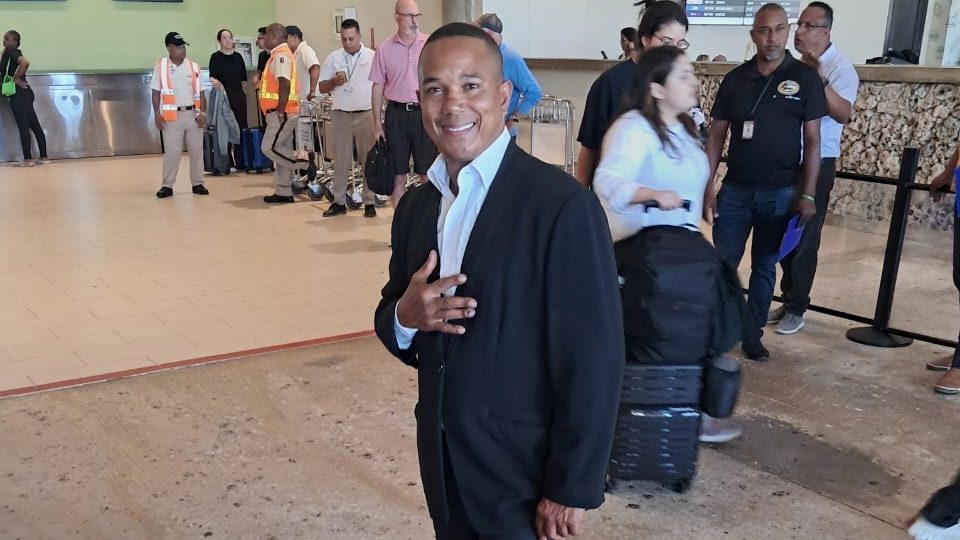
The exit is the part nobody warns you about. Between customs and the curb you pass a gauntlet of desks and greeters: timeshare presentations offering "free" excursions, tour sellers, and taxi touts. They are persuasive and they are very good at looking official.
If someone stops you before you reach the open air and asks where you're staying, you are talking to a salesperson, not to airport staff.
Keep walking until you're outside. That is where your actual driver is standing.
5. Finding your driver
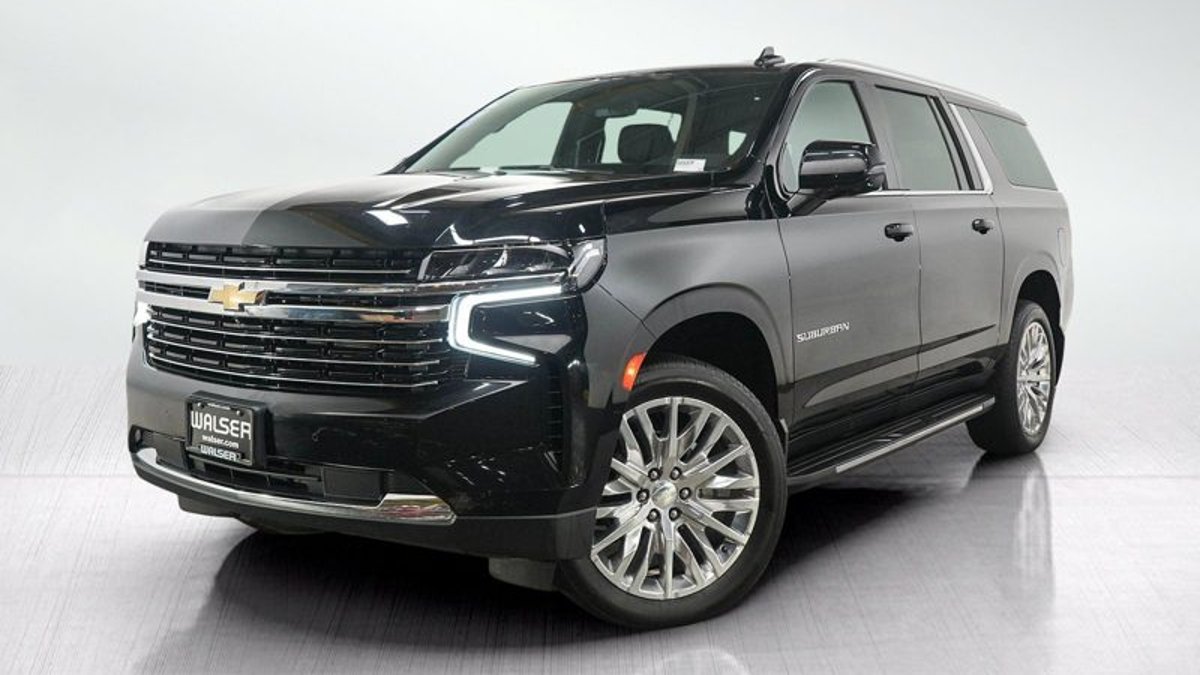
Private drivers wait in the arrivals area just outside the terminal doors with a sign showing your name. If you've booked with us, I'm tracking your flight number, so I already know whether you landed early, late, or got diverted — you don't need to message me when you land, though you're welcome to.
A tip that saves real time
Send your flight number and airline when you book, not just your arrival time. Times change; flight numbers don't. It's the difference between a driver waiting for you and a driver waiting for a time that stopped being true somewhere over Miami.
6. The drive to your resort
Most Bavaro and Cap Cana resorts are 15 to 30 minutes from the airport. Uvero Alto runs closer to 45 minutes to an hour. Bayahibe, Casa de Campo and Santo Domingo are longer road trips — anywhere from 1.5 to 3 hours — and worth planning around your arrival time rather than squeezing in late at night.
The roads to the main resort areas are good. Bring a light jacket or scarf if you feel the cold: Dominican drivers, myself included, run the air conditioning enthusiastically.
The short version
- Fill out the E-Ticket before you fly and screenshot the QR code
- Passport out, tourist card already paid
- Immigration, then bags, then customs
- Walk past everyone who stops you indoors
- Your driver is outside with a sign, watching your flight number
Do those five things and you'll be in an air-conditioned car within twenty minutes of clearing customs, which is the entire point of arranging a transfer in advance.